12 Stimuli
12.1 Overview
Because the sample size possible in ManyBabies projects provides a unique opportunity to test generalizability across multiple stimulus types, we chose two different categories of stimuli: ManyFribbles1 and ManyFractals2. These two classes of stimuli were chosen because:
1 These stimuli were inspired by the Fribbles stimulus set (Barry et al., 2014). We are calling the brand-new stimlus set developed for MB5 “ManyFribbles” to distinguish them from the original Fribbles.
2 We’re calling our custom sets of stimuli “ManyFribbles” and “ManyFractals” because… well, it’s fun.
- they allow for variation in complexity within the same stimulus category (i.e., by manipulating the number of features)
- infants are unlikely to have previous experience with either set of stimuli
- the inclusion of two stimulus sets allow us to begin examining the generalizability of any observed effect
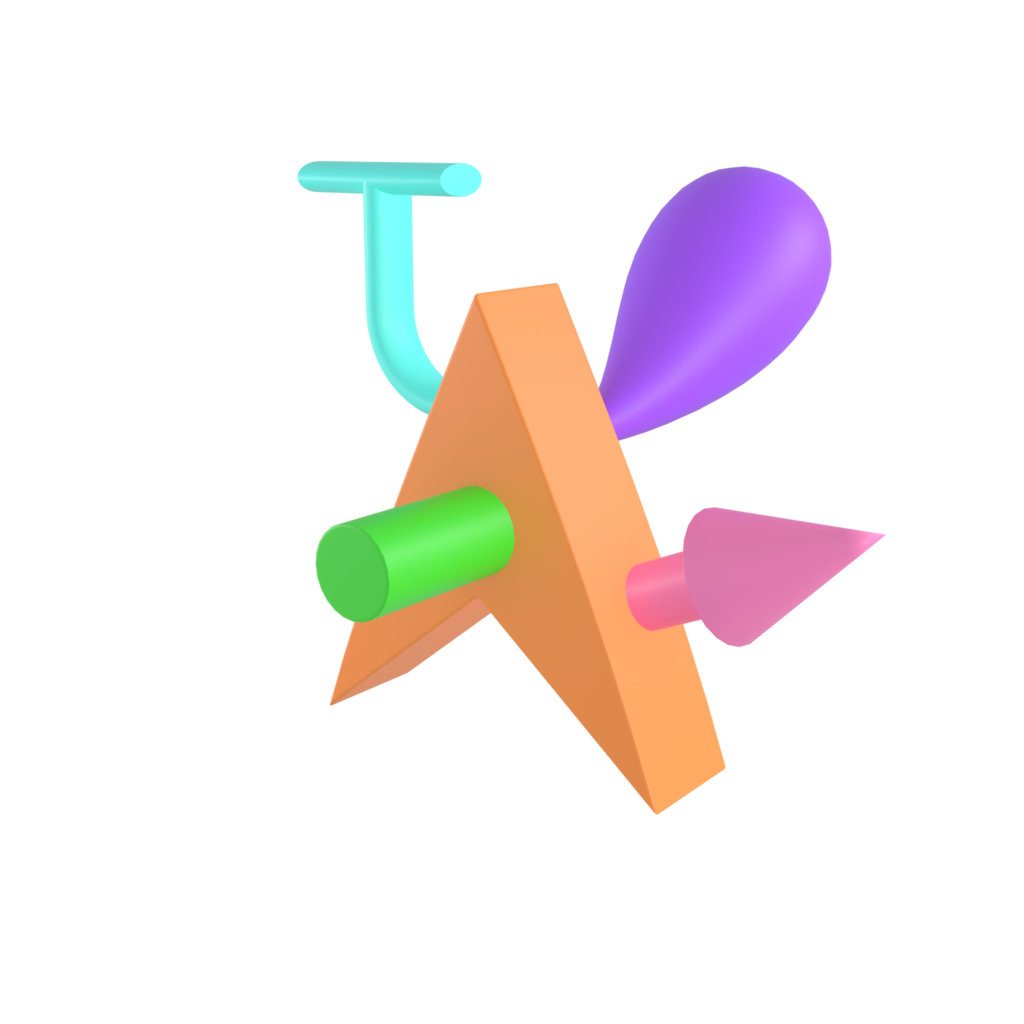
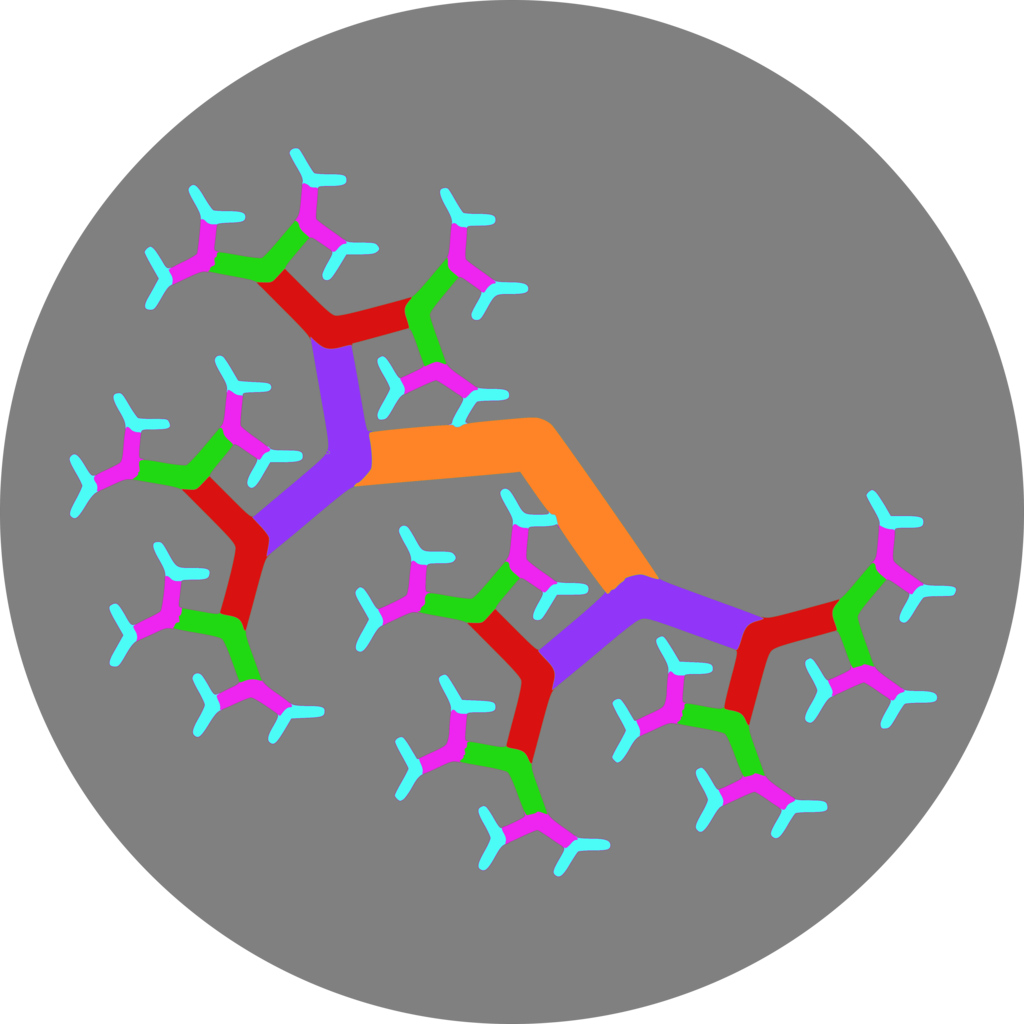
We created 12 unique ManyFribbles and 12 unique ManyFractals. Within each stimulus type, six items were designed to be relatively low-complexity and six were designed to be relatively high-complexity. Complexity is operationalized here as the number of features present (appendages in the case of ManyFribbles and iterations of the same structure for ManyFractals; see Table 12.1)
| Low complexity | High complexity | |
|---|---|---|
| ManyFribbles | 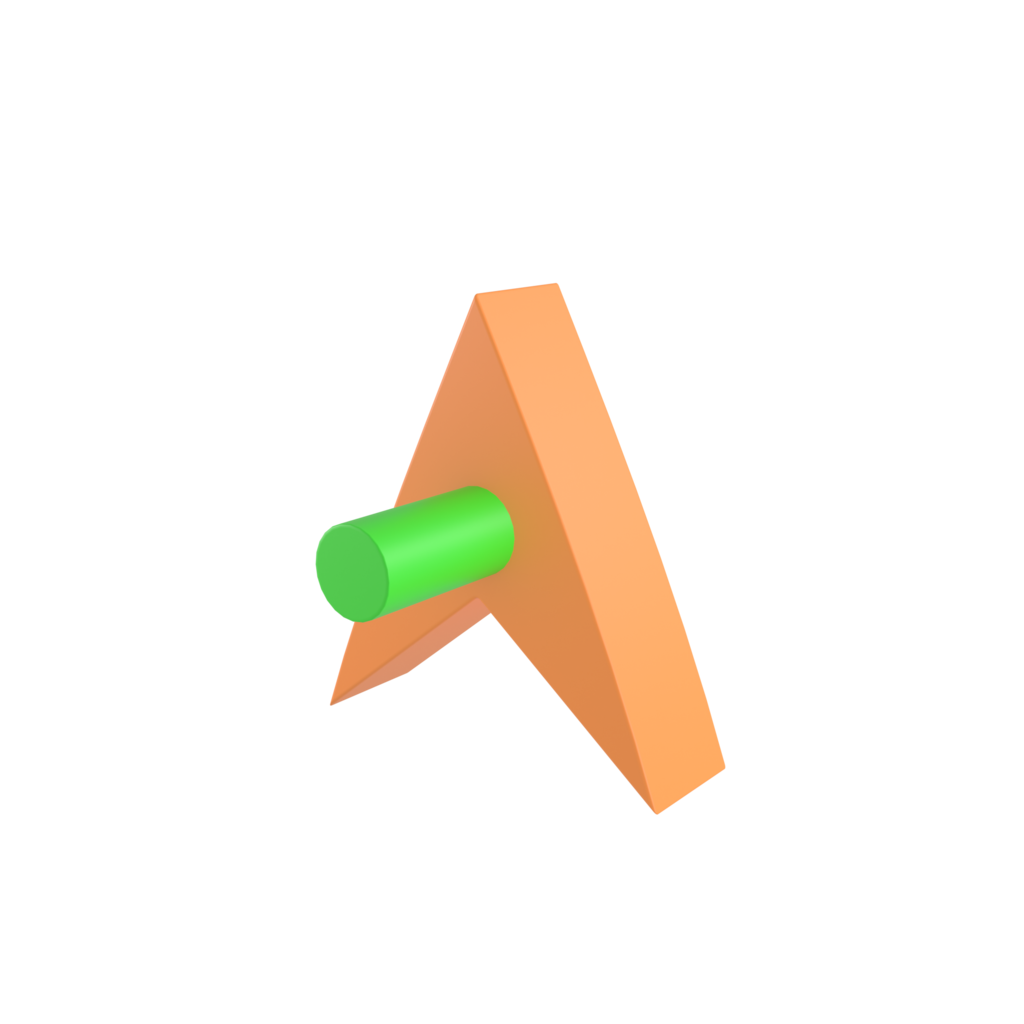 |
 |
| ManyFractals | 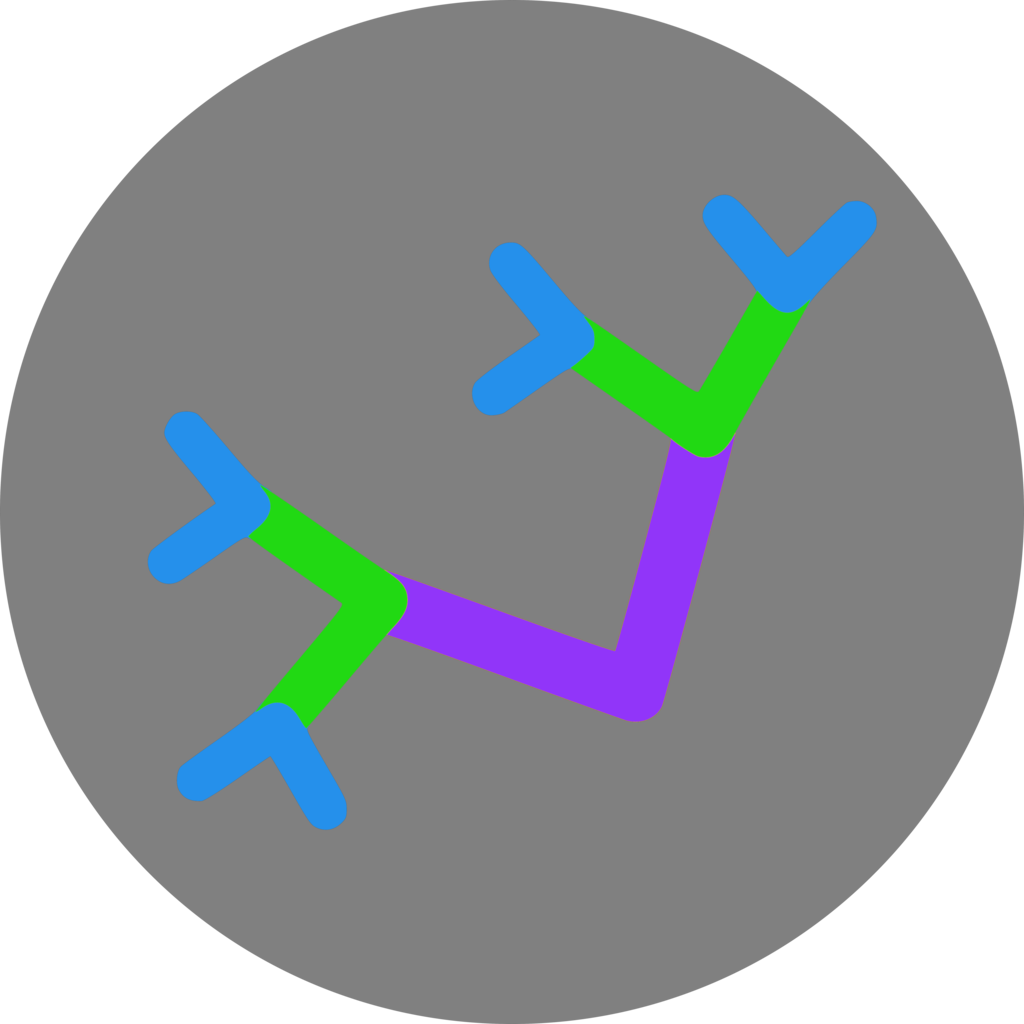 |
 |
12.2 ManyFribbles
ManyFribbles are colorful, computer-generated models of 3D figures. All ManyFribbles are made up of one base body shape and one appendage (low-complexity) or four appendages (high-complexity).
ADD MORE INFO ABOUT COLOR SELECTION, SIZING, ETC
12.3 ManyFractals
ManyFractals are geometric shapes in which the same structure is repeated iteratively at different levels of scale.
ADD MORE INFO ABOUT FRACTAL GENERATION
12.4 Attention-getter stimuli
- Between Trials: Please use the provided
laughing babystimulus to re-center babies between each trial (i.e., before familiarization begins). If your lab uses a different attention-getting stimulus that you feel is more appropriate for your community, please check with us. - Within Trial: Please use the
Hoehle circle with chimesstimulus to re-center babies within each trial (i.e., between familiarization and test and between test phases 1 and 2).